
The Quiet Edit — How I Slowly Got Plastics Out of My Home

No Thanks Corporate America - I Don’t Want To Eat A Credit Card a Week
This is not a story about overnight transformation. It is a story about reading something that made me uncomfortable and deciding to do something about it — gradually, practically and without losing my mind.
This post is for informational purposes only. I am not a scientist or health professional — just a woman who started paying attention and made some changes.
The Credit Card I Refuse to Eat
I read something that stopped me cold.
"A widely reported 2019 WWF study suggested we may ingest significant amounts of microplastics weekly — enough that the comparison to a credit card's weight caught my attention. The exact figure is debated by scientists. What isn't debated is that microplastics have been detected in human blood and organs. That was enough for me."
I sat with that for a while. And I’ve come to the conclusion that as Americans we’re on our own out here. The corporate for profit model, and our government that doesn’t regulate it are slowly killing us.
Microplastics are tiny plastic fragments — smaller than five millimeters — that result from the breakdown of larger plastic items. They are now found virtually everywhere: in the ocean, in soil, in rainwater and increasingly in human bodies. Studies have detected microplastic particles in human blood, lungs and other organs. It’s a pretty frightening thought that I can’t get out of my mind.
What remains genuinely uncertain is the long-term health impact. Scientists are studying it. The research is still developing. I am not going to tell you microplastics are definitively causing specific diseases — that would go beyond what the evidence currently supports.
What I will tell you is this: when I learned my own kitchen was a significant source of my daily plastic exposure I decided to make some changes. Not because I had proof it would make me healthier. Because it seemed like a reasonable thing to do with the information I had. And doing it could go a long way in improving my quality of life.
That is my honest starting point.
The Kitchen Edit — What I Actually Changed
My kitchen was full of plastic. Once I started looking I could not stop seeing it.
Teflon pans — replaced with GreenPan, Lodge cast iron and stainless steel
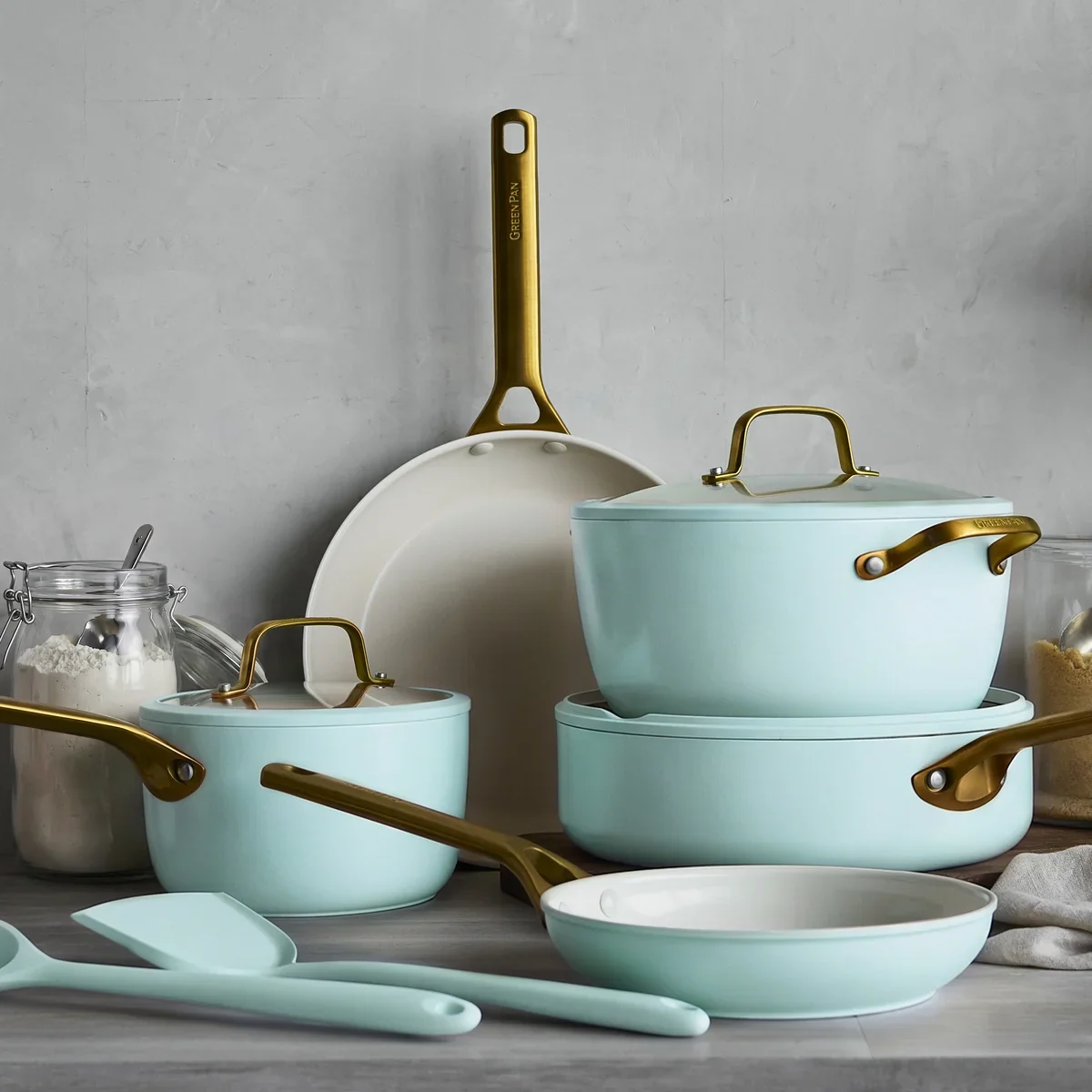
Traditional non-stick coatings contain PFAS — per and polyfluoroalkyl substances — a class of chemicals that have been studied for potential health concerns and are notably persistent in the environment and in human bodies. When non-stick pans are heated — especially at high temperatures or when scratched — they can release particles and fumes. The Environment Protective Agency has extensive information about PFAs.
I replaced every Teflon pan in my kitchen. I now cook with GreenPan which uses a ceramic non-stick coating, Lodge cast iron which I genuinely love and good old reliable stainless steel. The transition took some adjustment. Cast iron requires more care. Stainless steel requires more attention to heat. But I adapted and I have not looked back.
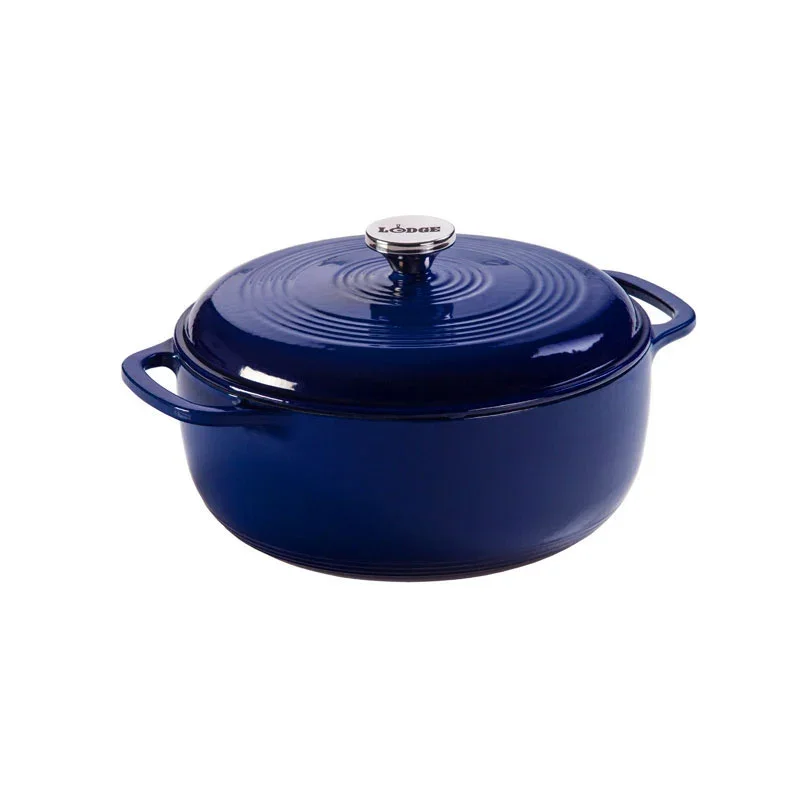
My Loge Dutch Oven Sits on My Stovetop as Decor - But I Use Here Weekly For Soups an Stews
Plastic Cooking Utensils — Replaced With Wood and Metal
This one surprised me when I looked into it. Plastic utensils used in hot food can shed microplastic particles directly into what you are cooking. One study found that a plastic spatula used in a hot pan could release millions of microplastic particles.
I replaced everything. Wooden spoons, metal spatulas, silicone where necessary. Simple swap. No real adjustment required.
Plastic Food storage — Replaced with Pyrex Glass
Plastic containers — especially when used for hot food, microwaved or washed repeatedly — can leach chemicals into food. The heat and wear accelerate this process.
I switched to Pyrex glass containers with lids for storing leftovers and meal prep. They are heavier and work beautifully in the microwave. They are also a hundred years old as a product category which tells you something about their durability when treated well.
Reading the Label — What I Look For Now
Personal care products are where I have spent more time learning and frankly more time being frustrated.
The Honest problem with "Natural"
Natural on a product label means almost nothing legally. It is a marketing term not a regulated standard. A product can call itself natural while containing ingredients you would rather not put on your skin or scalp.
I discovered this when my husband sent me a list of the most chemically concerning shampoos. I was shocked by some of the brands on it — including ones I had been using for years.
What I Look For Now
Rather than trusting labels I check products on the Environmental Working Group's Skin Deep database at ewg.org/skindeep. It rates personal care products by ingredient safety based on published research. It is not perfect — no rating system is — but it is a useful independent reference that goes deeper than marketing language. I find it to be a game changer for me.
Ingredients I now try to avoid:
Parabens — preservatives with potential hormone-disrupting properties
Sulfates (SLS/SLES) — harsh detergents that strip natural oils
Phthalates — plasticizers found in some fragrances
PFAS — increasingly found in some personal care products.
What I’m Using Now
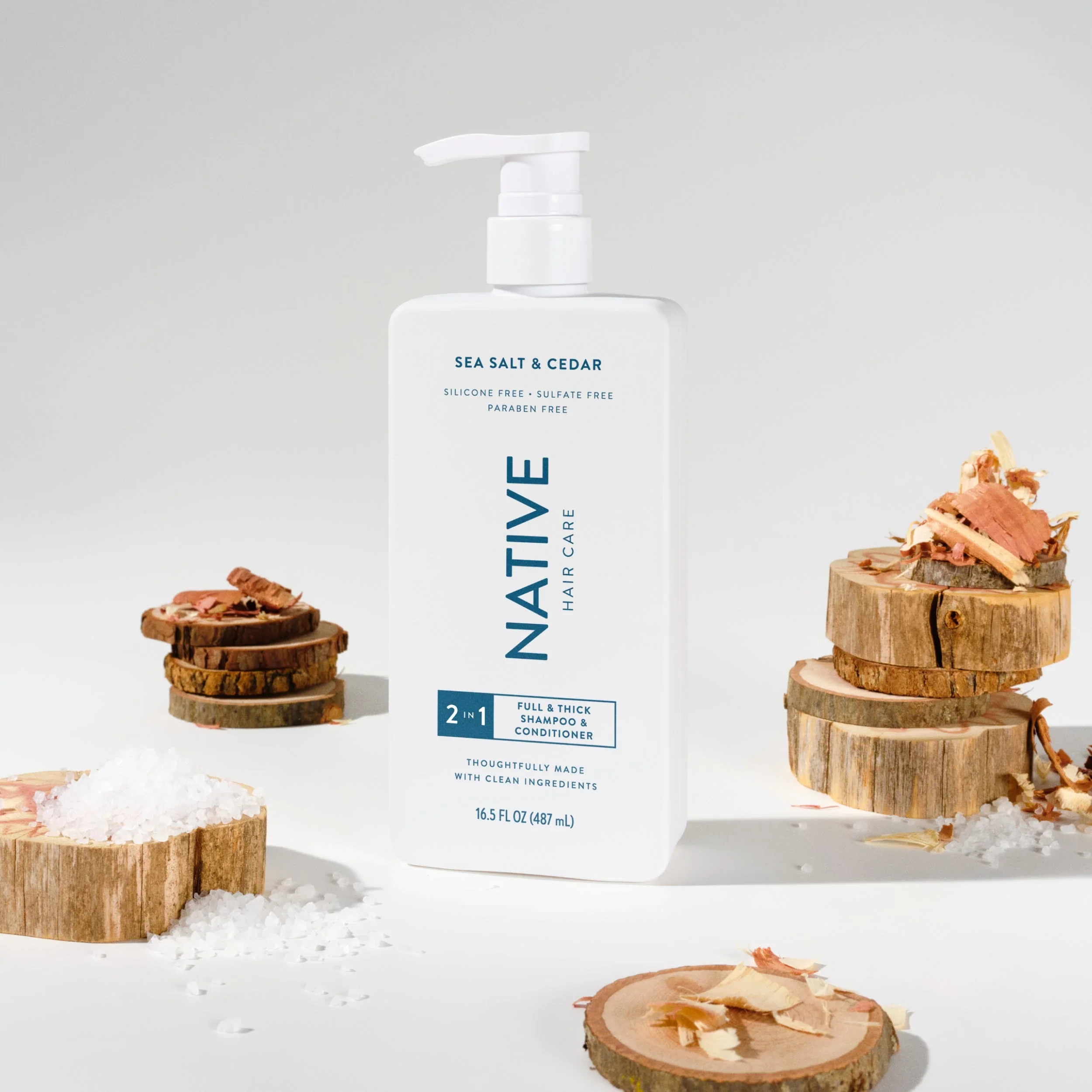
In the shower I use Dr. Bronner's or Yardley London Oatmeal & Almond Bar Soap — simple ingredient list, genuinely clean formulation. I have switched my shampoo and conditioner to Native brand after reassessing what I was using. My favorite scent is Cedar and Salt. So fresh and so clean! I use ECOS for laundry detergent which scores well on EWG. For dishes I use a natural dish soap available at Costco.
I will be honest: finding genuinely clean products is harder than it sounds. Brands get acquired. Formulations change. What scored well last year may not score the same today. I check periodically rather than assuming a product I trusted before is still the same product. Toothpaste is a big one on the list for me. One that I’ve yet to tackle.
The Yuka App
I also use an app called Yuka which lets me scan food and personal care product barcodes for an ingredient assessment. This was shared with my my a dear friend, and it’s become invaluable to me. It is a helpful starting point though I treat it as one tool among several rather than the final word. I never go to the grocery store without using this tool. Whenever I see a brand I’m not familiar with, I scan it.
Progress Not Perfection — The Only Standard That Makes Sense
Here is what I want to be clear about.
I cannot prove that these changes have made me healthier. I have no before and after lab results. I have no controlled experiment. I am a woman who read something uncomfortable and made gradual practical changes over several years based on what seemed reasonable.
PFAS are now found in rainwater globally. Microplastics are in the food chain at every level. Complete elimination of exposure is not possible for anyone living in the modern world.
What is possible is thoughtful reduction. Starting with the highest exposure items — cookware you use daily, food storage you heat food in, personal care products you use on your body every morning. Making changes gradually as old items wear out or as you find better alternatives. Checking labels. Using tools like EWG Skin Deep and Yuka rather than trusting marketing language.
You are not being naive for caring about this. The concern is legitimate even when the marketing around it is not always honest.
Progress not perfection. That is the only standard that makes sense. And for a woman who still has a lot of living to do — it is worth the effort.
With Rebel Love — Jeannie
💬 Have you started making changes in your kitchen or your bathroom cabinet? What prompted it and what did you switch first? Tell me in the comments — this community learns from each other.
The Rebel Age · Healthy Rebel
This post is for informational purposes only.